Lab Alliance Research Solutions provides ISO- and GLP-aligned laboratory services that produce traceable, validated data for food safety and nutrition studies lab alliance. The organization offers calibrated instrumentation, validated methods, and controlled sample flow to minimize error and ensure audit-ready logs. Services include all-encompassing contaminant screens, heavy metal and pesticide quantification, nutrient profiling, and shelf-life testing with regulatory-aligned reporting thresholds. Method validation documents accuracy, precision, LOD/LOQ, and change control. Continue for detailed capabilities, compliance pathways, and collaboration options.
Building a Modern Laboratory Infrastructure for Reliable Results
In constructing a modern laboratory infrastructure, Lab Alliance prioritizes calibrated instrumentation, validated methods, and ISO/GLP-aligned workflows to assure analytical integrity and regulatory compliance. The facility design enforces segregation of sample flow, controlled environmental monitoring, and documented change control https://laballiance.com.my/. Automation workflows reduce human error, increase throughput, and generate audit-ready logs. Calibration schedules, traceable standards, and performance qualification metrics underpin data defensibility. Biosafety protocols are codified with competency assessments, PPE matrices, and incident-reporting algorithms. Chain-of-custody procedures, electronic data integrity controls, and scheduled internal audits assure reproducibility. Resource allocation aligns with risk-based prioritization to maintain continuous compliance and operational predictability.
Comprehensive Testing Services for Contaminants and Nutrients
Building on the laboratory’s infrastructure controls and quality systems, Lab Alliance delivers a thorough suite of analytical services targeting chemical, biological, and nutritional parameters across food matrices. Services encompass contaminant screens (pesticides, heavy metals), nutrient profiling (macros, vitamins), shelf life testing, and objective sensory analysis protocols. Data outputs are quantitative, traceable, and formatted for decision matrices. Turnaround and sampling plans are configurable to client risk tolerance. The laboratory applies robust chain-of-custody, instrument calibration, and reporting thresholds aligned with regulatory expectations.
Test Type
Matrix
Typical Result
Pesticides
Produce
ng/g levels
Metals
Grains
ppm levels
Nutrients
Dairy
% and mg/100g
Regulatory Compliance and Method Validation Expertise
Several standardized and customized validation protocols underpin Lab Alliance’s regulatory compliance services, ensuring methods meet or exceed applicable criteria from agencies such as FDA, USDA, EPA, and international ISO/ICH guidelines. The laboratory documents acceptance criteria, system suitability, accuracy, precision, LOD/LOQ, robustness, and traceability within modular validation frameworks. Reports quantify performance metrics, deviation rates, and corrective actions. Regulatory strategy aligns method selection, stability testing, and chain-of-custody procedures with submission timelines and audit readiness. Controlled change management, documented training records, and periodic requalification sustain compliance. Decision-making is evidence-based, emphasizing reproducible data, defensible validation outcomes, and clear regulatory pathways.
Collaborative Research and Industry Partnerships
Through strategic alliances with academic institutions, industry consortia, and regulatory bodies, Lab Alliance leverages complementary expertise and shared datasets to accelerate method development, validation, and implementation for food safety and nutrition applications. Collaborative research emphasizes industry collaboration and data sharing frameworks that define metadata standards, access controls, and provenance tracking. Studies are protocol-driven, statistically powered, and aligned with regulatory endpoints to enable reproducible outcomes and defensible submissions. Partnership governance specifies roles, deliverables, IP treatment, and audit trails to maintain chain-of-custody integrity. Outcome metrics include method sensitivity, specificity, inter-lab variability, and time-to-approval, reported on controlled dashboards for stakeholder oversight.
Accelerating Product Development and Traceability
Leveraging the standardized datasets, governance structures, and validated methods established in collaborative research, Lab Alliance applies integrated analytics and traceability systems to shorten product development cycles and strengthen supply-chain provenance. It quantifies ingredient variability, links batch-level analytic signatures to manufacturing steps, and models time-to-market reductions against compliance benchmarks. Regulatory reporting templates and audit-ready documentation support accelerated approvals. Chain-of-custody tagging and immutable records enable targeted recalls and enhance consumer transparency metrics. Decision-support dashboards present KPI thresholds, risk scores, and root-cause analyses, allowing stakeholders to enforce specifications, reduce failure rates, and demonstrate traceable, compliant product development.
Conclusion
Lab Alliance Research Solutions consistently delivers rigorous, data-driven laboratory capabilities that strengthen food safety and nutritional science. Through validated methods, accredited workflows, and traceable chain-of-custody practices, the organization enables compliance with regulatory standards and accelerates product development. Its all-encompassing contaminant and nutrient testing, combined with collaborative industry partnerships, guarantees reproducible results, actionable insights, and reduced time-to-market—providing stakeholders with measurable assurance of safety, quality, and regulatory conformity.
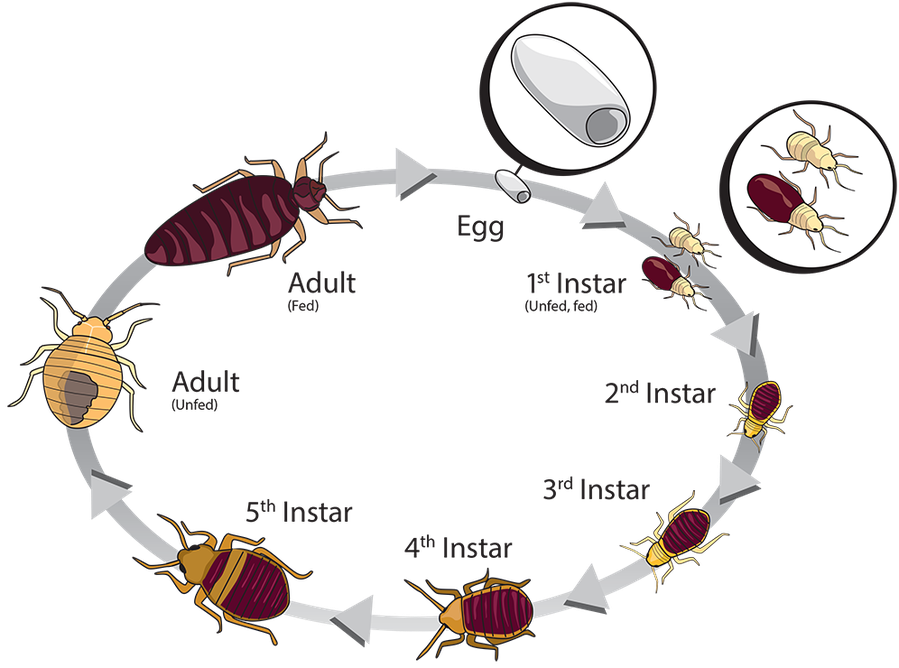
Effective bed bug sprays act by combining specific neurotoxic or developmental chemistries with delivery and formulation engineering to maximize target exposure and persistence. Actives (pyrethroids, neonicotinoids, carbamates, growth regulators) disrupt nerve signaling or development. Formulations control cuticular penetration, volatility, and residual release via solvents bed bugs malaysia, surfactants and encapsulation. Droplet spectra and deposition govern crevice access and surface bioavailability. Resistance and behavioral refuge selection reduce efficacy. Further sections explain resistance diagnostics, integration tactics, and safety considerations.
How Different Active Ingredients Work Against Bed Bugs
How do chemical classes employed in bed bug sprays differ in their modes of action and physiological targets? The examination delineates pyrethroids, neonicotinoids, carbamates, and insect growth regulators by specific molecular interactions igreenasia. Pyrethroids disrupt voltage-gated sodium channels producing prolonged neuronal depolarization; neonicotinoids agonize nicotinic acetylcholine receptors causing synaptic overexcitation; carbamates inhibit acetylcholinesterase elevating synaptic acetylcholine. Insect growth regulators target chitin synthesis or juvenile hormone pathways, impairing development rather than immediate neurotoxicity. Efficacy depends on optimized cuticular penetration and metabolic stability; resistance arises from target-site mutations, upregulated detoxification enzymes, and reduced uptake. Strategic innovation requires combining complementary neurotoxic mechanisms with penetration enhancers or novel targets to mitigate resistance and extend control longevity while minimizing non-target impacts.
Spray Formulations and Why They Matter
In evaluating bed bug control efficacy, spray formulation determines active ingredient bioavailability, cuticular penetration, residual persistence, and application safety. The composition matrix—surfactants, carriers, stabilizers, and adjuvants—modulates release kinetics and target interaction; formulation chemistry consequently governs delivery efficiency and compatibility with substrates. Solvent volatility is a critical variable: faster evaporating solvents concentrate actives rapidly but may reduce residual longevity, while low-volatility carriers maintain film formation and prolonged contact. pH buffers, chelators, and encapsulation technologies (microcapsules, emulsions) enable controlled diffusion and mitigate degradation pathways, enhancing potency against resistant populations. Safety profiles derive from excipient selection and exposure routes; innovation focuses on tunable matrices that optimize efficacy, minimize non-target exposure, and integrate with integrated pest management protocols.
Particle Size, Droplet Behavior, and Coverage
Particle size distribution determines deposition patterns and influences evaporation and drift of pesticide droplets. Spray plume dynamics, including velocity profiles and turbulence, interact with droplet spectra to control transport and impaction onto target surfaces. Resultant surface coverage uniformity depends on those interactions and governs both efficacy and the potential for under- or over-application.
Droplet Size Distribution
Droplet size distribution critically determines deposition patterns, airborne residence time, and target coverage when applying bed bug sprays. Analysis emphasizes the droplet spectrum as a design variable: fine droplets (<20 µm) increase airborne persistence but risk wall loss via evaporation dynamics, whereas coarse droplets (>100 µm) favor rapid deposition with limited surface spread. Mid-range droplets balance penetration into crevices and reduced drift. Quantitative control of nozzle geometry, pressure, and formulation viscosity produces predictable size distributions; real-time monitoring enables iterative optimization. Modeling couples droplet size-dependent settling velocities with evaporation rates to predict active ingredient flux to target surfaces. Strategic tailoring of the droplet spectrum enhances efficacy while minimizing off-target exposure, informing next-generation application systems.
Spray Plume Dynamics
Through coupled fluid dynamics and aerosol physics, spray plume dynamics define how droplet populations evolve from nozzle exit to target surfaces, dictating coverage patterns and bioactive delivery. Analysis focuses on droplet trajectories, evaporation rates, and interaction with ambient flow structures. The nozzle wake establishes initial velocity gradients and shear that modulate droplet clustering and size segregation. Vortex shedding from the orifice generates coherent structures that entrain and stretch the plume, altering residence time and collision-coalescence probabilities. Particle size, density, and humidity determine Stokes number regimes, informing whether droplets follow streamlines or impact surfaces ballistically. Modeling combines Eulerian carrier-phase flow with Lagrangian discrete-phase tracking to predict spatially resolved fluxes. Results guide nozzle geometry, pulse modulation, and formulation volatility to optimize effective deposition while minimizing off-target drift.
Surface Coverage Uniformity
When evaluating surface coverage uniformity, droplet size distribution, ballistic versus advective transport regimes, and post-deposition spread jointly determine local deposition density and active ingredient dose. Precise characterization of particle size spectra informs expected deposition patterns: larger droplets favor ballistic impact and localized loading, while fine droplets follow advective flows and disperse broadly. Evaporation kinetics and surface wettability control post-deposition spread, altering microscopic coverage and bioavailability. Quantitative application uniformity targets require integrated measurement — sensor arrays, image-based coverage mapping, and tracer assays — to resolve spatial heterogeneity at operational scales. Optimization consequently couples nozzle design, formulation rheology, and deployment parameters to meet predictive models. Innovations that close the loop between coverage mapping feedback and adaptive spray control improve efficacy and reduce excess dosing.
Residual Persistence: What Determines Long-Term Activity
In evaluating residual persistence of bed bug sprays, longevity is determined by a combination of active ingredient stability, formulation matrix, substrate interactions, and environmental variables that govern degradation and bioavailability. Persistence analysis examines residue chemistry to quantify transformation products, adsorption-desorption kinetics, and surface-bound bioavailability. The formulation matrix—encapsulation, carrier volatility, and microemulsion state—modulates release rates and shields actives from photolysis and hydrolysis. Substrate interaction varies with porosity, pH, and organic load, altering sorption capacity and effective dose. Environmental parameters (temperature, humidity, light) accelerate or retard chemical decay and physical redistribution. Predictive models integrate kinetic parameters with real-world surface heterogeneity to forecast residual windows, informing innovative delivery systems designed to extend efficacious contact while minimizing non-target persistence.
Insecticide Resistance: Causes and Consequences
Population-level resistance in Cimex lectularius commonly arises from point mutations and gene amplifications that alter target-site sensitivity and increase metabolic detoxification. Concurrently, behavioral modifications such as reduced contact with treated surfaces and altered foraging patterns reduce effective exposure to residues. These physiological and behavioral mechanisms can produce cross-resistance across chemical classes and prolong control failures, complicating long-term management.
Genetic Mutations Drive Resistance
Genetic mutations that alter physiological targets and metabolic pathways constitute primary mechanisms by which Cimex lectularius populations acquire resistance to commonly used insecticides. Molecular surveys identify mutation hotspots in voltage-gated sodium channels and acetylcholinesterase genes; target site alterations reduce binding affinity of pyrethroids and organophosphates. Concurrently, gene amplification and nonsynonymous substitutions in cytochrome P450s, glutathione S-transferases, and carboxylesterases enhance metabolic detoxification, elevating LC50 values. Population genomics reveals rapid selection on standing variation and de novo mutations under insecticide pressure, producing heterogeneous resistance alleles across urban infestations. Diagnostic assays leveraging PCR and next-generation sequencing enable rapid detection and quantification of resistance-associated polymorphisms, informing rotational strategies and novel chemistries designed to circumvent established molecular mechanisms.
Behavioral Avoidance Strategies
Adopting evasive behaviors, Cimex lectularius populations increasingly exploit spatial and temporal shifts in activity to reduce contact with treated surfaces and lethal doses. Individuals modify shelter selection, favoring untreated crevices and elevated microhabitats that diminish spray deposition. Alterations in nocturnal aggregation patterns concentrate cohorts where chemical gradients are lowest, preserving susceptible subpopulations and facilitating recolonization. Behaviorally mediated host seeking disruption manifests as shortened foraging bouts, delayed emergence, and bias toward hosts during intervals of minimal treatment efficacy. These modifications are measurable through behavioral assays, mark–release–recapture studies, and automated tracking, informing predictive models for spray placement and timing. Integrating behavioral data into innovative application technologies—targeted micro-dosing, spatial repellents, and temporal deployment algorithms—reduces selection pressure and enhances control efficacy without relying solely on increased chemical potency.
Cross-Resistance and Persistence
Resistance and persistence emerge as interrelated outcomes of selection on detoxification, target-site alteration, and behavioral traits, producing phenotypes that reduce efficacy of multiple insecticide classes and sustain survivorship between treatment events. Cross resistance mechanisms commonly involve upregulation of cytochrome P450s, esterases, and glutathione-S-transferases, or point mutations in sodium channel and acetylcholinesterase genes, generating broad-spectrum tolerance. Persistence evolution describes shifts toward increased longevity, quiescence, and altered circadian activity that reduce contact with residuals and temporal overlap with application windows. Together these processes create treatment-resistant populations where conventional rotation fails. Diagnostic assays combining genomic markers and behavioral assays enable rapid detection. Innovative management must integrate novel chemistries, targeted delivery, and resistance-informed deployment to disrupt coupled cross resistance mechanisms and Persistence evolution.
Combining Sprays With Heat, Dusts, and Nonchemical Methods
When integrated into a broader control protocol, insecticidal sprays function differently than when used alone, influencing and being influenced by heat treatments, desiccant dusts, and mechanical interventions; understanding these interactions is essential for effective, safe bed bug management. Sprays can complement targeted steaming by providing residual activity in crevices inaccessible to heat, and they can synergize with desiccant dusts when applied sequentially to reduce mobility and increase cuticular damage. Integrated monitoring guides placement and timing, while mattress encasements and vacuum routines reduce harborages and egg reservoirs, enhancing overall efficacy. Strategic sequencing—heat first for rapid knockdown, then dusts for long-term reduction, with sprays applied to persistent refugia—optimizes control while minimizing overuse and resistance selection.
When used within an integrated protocol, sprays complement heat, dusts, and mechanical measures for safer, more effective bed bug control.
Targeted steaming and vacuum routines reduce populations.
Human and Pet Safety: Toxicity, Exposure, and Precautions
After sequencing heat, desiccant, and spray applications to maximize bed bug control, attention must shift to the toxicological and exposure profile of insecticidal sprays for humans and companion animals. Evaluation focuses on active ingredient pharmacokinetics, formation of toxic metabolites, and quantification of exposure pathways—dermal, inhalation, and incidental ingestion. Risk models integrate dose-response data with real-world application parameters, enclosure ventilation, and contact frequency. Safety engineering prioritizes low-volatility formulations, targeted delivery systems, and post-application reentry intervals to minimize systemic uptake. Companion animal physiology, grooming behavior, and size-specific dose scaling inform label modifications and containment strategies. Surveillance for subclinical biomarkers and validated decontamination protocols underpins iterative product innovation and regulatory compliance while reducing acute and chronic adverse outcomes.
Environmental Impact and Proper Disposal of Leftover Products
In considering environmental impact and disposal of leftover bed bug spray products, attention centers on persistence, bioaccumulation potential, and pathways to non-target exposure in terrestrial and aquatic ecosystems. The evaluation quantifies environmental half-lives, metabolite toxicity, and transport mechanisms that drive wildlife impacts and water contamination. Regulatory-aligned mitigation emphasizes source reduction, segregation, and controlled transfer to hazardous-waste facilities. Innovations in container design and degradable formulations reduce downstream risk.
Consider persistence, bioaccumulation, and transport pathways—prioritize source reduction, segregation, and regulated hazardous-waste transfer.
Implement chain-of-custody disposal protocols to prevent unauthorized release.
Prioritize aqueous-film formation assessment to model runoff-driven water contamination.
Employ ecological risk models to predict wildlife impacts and inform buffer-zone specifications.
Collectively, these measures balance efficacy with environmental stewardship, enabling scalable, low-risk management of residual products.
Conclusion
Effective bed bug sprays rely on active ingredients, formulation, and application parameters to achieve lethal exposure, sustained residual activity, and adequate coverage. Particle size, droplet behavior, and substrate interactions govern deposition and persistence, while resistance mechanisms diminish efficacy over time. peak management integrates chemical sprays with heat, desiccant dusts, and nonchemical tactics to mitigate resistance and reduce hazards. Rigorous adherence to label directions, safety protocols, and proper disposal minimizes human, pet, and environmental risk.
Professional pet grooming costs reflect pet size, coat type, services requested and local labor rates. Simple baths and nail trims for small dogs typically run lower than full haircuts for long‑coated or double‑coated breeds. Add‑ons like medicated bathspet grooming, de‑shedding, teeth care or behavioral handling increase fees. Medical issues, matting or sedation justify higher charges. Transparent, itemized estimates indicate fair pricing. Continue for practical ranges, saving tips and guidance on choosing an appropriate groomer.
How Grooming Services Are Priced
Grooming services are typically priced according to a combination of measurable factors: pet size and coat type, services requested (bath, haircut, nail trimming, ear cleaning), time required, and location-specific labor costs https://starlux.petuniverse.com/. Providers present transparent rate structures, note seasonal pricing variations, and offer loyalty discounts to encourage repeat business. Clear itemization and predictable policies empower owners to choose services that align with budget and freedom.
Key Factors That Affect Cost
Pet size and breed are primary determinants of grooming time and product needs, with larger or brachycephalic breeds often requiring more handling and specialized care. Coat condition and length directly influence services required—matted, long, or double coats typically necessitate extra de-shedding, detangling, and extended clipping. Together these factors produce measurable differences in labor and resource costs, which groomers use when estimating final prices.
Pet Size and Breed
Size and breed markedly influence grooming expenses because they determine time requirements, haircut complexity, and material needs. Breed standards and coat genetics inform required trims, specialty tools, and stylist expertise. Larger animals raise labor and product costs; brachycephalic or double-coated breeds demand experienced handling. Evidence-based pricing reflects predictable breed-driven resource needs, enabling owners to choose services that preserve autonomy and value.
Coat Condition and Length
Coat condition and length directly influence service time, product use, and technique selection, making them primary determinants of grooming cost. Longer or matted coats require de-matting, extended drying, and specialized tools; heavy seasonal shedding and undercoat maintenance increase labor and product needs. Groomers charge accordingly, reflecting time, expertise, and equipment; owners seeking freedom should plan routine care to reduce expense.
Typical Price Ranges by Pet Type and Size
Across common grooming services, price ranges vary predictably by animal type and body size: small dogs typically incur the lowest fees, medium and large dogs command progressively higher rates, and cats often fall in a mid-to-high range depending on temperament and required handling. Providers may offer senior discounts and adjust for seasonal pricing.
Small dogs: basic bath, nail trim, minimal coat work.
Medium/large: longer sessions, higher labor and equipment costs.
When selecting grooming services, owners commonly encounter a menu of add-ons—such as teeth brushing, de-shedding treatments, medicated baths, gland expression, specialty shampoos, and express drying—each priced separately based on time, materials, and required skill. Fees vary: breed specific trims and nail caps often cost more; medicated products add to charges; seasonal discounts may reduce overall expense. Itemized lists aid transparency.
Recognizing Fair vs. Excessive Charges
Evaluate charges by comparing itemized estimates to local averages and documented service standards; fair fees align with regional price ranges, transparent breakdowns, and clear explanations for specialty products or time-intensive procedures. The consumer should expect ethical upcharges and transparent pricing. Evidence-based scrutiny detects excessive fees, unclear surcharges, or unsupported add-ons.
Request written estimates and receipts
Compare multiple reputable providers
Verify product and time justifications
Saving Money Without Sacrificing Care
Practical cost savings in pet grooming can be achieved by teaching owners basic DIY techniques for bathing, brushing, and nail care that are safe and effective when performed correctly. Strategic investment in durable, multipurpose tools and bulk consumables reduces per-session expenses without compromising hygiene or coat health. Scheduling choices—such as combining services, extending intervals based on breed needs, or booking weekday appointments—further lower costs while maintaining regular professional oversight.
DIY Grooming Basics
Many pet owners can reduce grooming costs by performing routine tasks at home—such as brushing, nail trims, ear cleaning, and basic bathing—while maintaining animal health and comfort. A pragmatic, evidence-based approach teaches safe home clipping and hygienic ear cleaning, fostering autonomy and reducing salon dependence.
Follow veterinarian-approved techniques and frequency.
Prioritize safety and gradual skill building.
Monitor skin and behavior for complications.
Cost-Effective Supplies
How can owners cut grooming expenses without compromising care? Owners can invest in durable tools like bulk clippers and rotate disposable blades to maintain hygiene and sharpness. Purchasing quality brushes, low-irritant shampoos, and a basic first-aid kit yields long-term savings. Evidence supports preventive maintenance—regular brushing and targeted tool replacement reduce professional intervention and preserve pet wellbeing while maximizing owner autonomy.
Smart Scheduling Choices
Regularly spacing grooming sessions according to coat type, activity level, and season reduces overall costs by preventing matting, skin issues, and excessive trimming needs. The owner benefits from strategic appointment timing, peak avoidance, and off peak booking to access lower rates and reliable care. Multi pet discounts and brief at-home maintenance preserve freedom without compromising health.
Schedule by coat and season
Use off peak booking
Combine pets for discounts
Special Considerations: Medical and Behavioral Needs
Accounting for medical and behavioral factors is essential when estimating pet grooming costs, because conditions such as skin disease, mobility limitations, anxiety, or aggressive tendencies often require additional time, specialized techniques, protective equipment, or veterinary consultation. Grooming fees rise with required medical handling, sedated procedures, or behavior modification plans. Clear assessment, documented care protocols, and trained staff justify higher charges while protecting animal welfare and owner autonomy.
Choosing the Right Groomer for Your Budget
When balancing quality and cost, owners should evaluate groomers by documented services, transparent pricing, and verifiable credentials. A pragmatic comparison of local groomers and mobile services highlights trade-offs in convenience, expertise, and overhead. Evidence-based choices preserve autonomy and budget without sacrificing welfare.
Verify certifications, references, and sample work.
Compare itemized price lists and policies.
Confirm in-home safety and sanitation protocols.
Frequently Asked Questions
How Often Should I Bathe My Pet Between Professional Grooms?
They should bathe the pet every 2–6 weeks between professional grooms, adjusting for coat maintenance and skin sensitivity; owners monitor coat condition, odor, and irritation, choosing gentler products and consulting a groomer or vet as needed.
Can I Tip Groomers and What Amount Is Expected?
Yes; gratuity etiquette supports tipping groomers. Observers note service expectations typically warrant 10–20% for routine grooms, higher for exceptional care. Professional, evidence-based judgment and client freedom guide appropriate tip decisions.
Do Mobile Grooming Vans Cost More Than Salons?
Yes. They often cost more: mobile grooming typically charges a travel surcharge and markets higher convenience, on site styling, and premium service; prices vary by region, experience, and demand, reflecting added operational costs.
Are Grooming Tools Safe to Use on Puppies/Kittens?
Yes. He notes soft brushes and age-appropriate clippers are generally safe for puppies and kittens when used gently. Supervised training sessions desensitize animals, and evidence-based protocols plus patience minimize stress and injury risk.
Will Grooming Affect My Pet’s Shedding Long-Term?
Grooming can reduce loose fur temporarily but rarely changes long-term shedding; consistent care improves coat health and may lessen allergen accumulation. Seasonal allergies influence perceived shedding; evidence supports routine maintenance for freedom of movement and comfort.
Conclusion
Understanding grooming costs helps owners balance pet health and budgetary responsibility. Reasonable pricing reflects animal size, coat condition, service complexity and practitioner expertise, while add-ons and special medical or behavioral needs legitimately increase fees. Comparing quotes, verifying credentials, and prioritizing necessary treatments prevents overpaying without compromising care. Evidence-based decisions — informed by typical price ranges and transparent policies — enable choosing a groomer who delivers safe, appropriate services at a fair, sustainable price.
Are you a pet grooming academy graduate ready to take the leap into business ownership?
This article will guide you through the essential steps to transition smoothly pet grooming class.
From setting up your business entity to mastering marketing strategies, you’ll learn how to evolve from a student to a successful entrepreneur in the pet grooming industry.
Get ready to unleash your potential and achieve your dream of running a thriving pet grooming business.
Setting Up Your Business Entity
When transitioning from a pet grooming academy graduate to a business owner, it’s essential to set up your business entity correctly. This step sets the foundation for your venture’s legal and financial structure.
By establishing a distinct business entity https://cosmos.petuniverse.com/, such as a limited liability company (LLC) or a corporation, you can protect your personal assets and gain credibility in the industry. Choosing the right entity type depends on factors like the size of your business, tax implications, and liability protection.
It’s crucial to research and understand the implications of each option before making a decision. Setting up your business entity correctly from the start can save you time, money, and potential legal issues down the road, providing you with the freedom to focus on growing your pet grooming business.
Developing a Strong Brand Identity
Develop a distinctive logo for your pet grooming business to create a strong brand identity that resonates with customers. Your logo should be memorable, visually appealing, and reflective of your business values.
Consider using colors and imagery that are associated with pets and grooming to make a lasting impression. Additionally, ensure that your logo is versatile and can be easily scaled to fit different marketing materials.
Consistency is key in building brand recognition, so use your logo across all platforms, from your website and social media accounts to your business cards and signage.
A strong brand identity will help set your pet grooming business apart and attract loyal customers who resonate with your brand.
Building a Solid Client Base
To establish a solid client base for a pet grooming business, focus on providing exceptional service and building positive relationships with pet owners. Show genuine care for their pets, listen to their preferences, and tailor your services to meet their needs.
Offer promotions or loyalty programs to incentivize repeat business. Utilize social media platforms to showcase your work, engage with potential clients, and gather feedback for continuous improvement.
Encourage satisfied customers to refer their friends and family. Attend local pet events or partner with pet-related businesses to increase visibility.
Implementing Effective Marketing Strategies
A key aspect of transitioning from a Pet Grooming Academy graduate to a business owner is employing targeted marketing strategies to attract and retain customers. To effectively market your grooming services, focus on creating a strong online presence through social media platforms and a professional website. Utilize eye-catching visuals of your work, client testimonials, and promotions to engage potential customers.
Consider offering referral discounts or loyalty programs to incentivize repeat business. Collaborating with local pet stores or veterinarians can also help expand your reach within the community. Additionally, attending pet-related events or hosting grooming workshops can showcase your expertise and attract new clients.
Managing Finances and Operations
Managing finances and operations in a grooming business is crucial for ensuring profitability and smooth day-to-day functioning. To maintain financial health, regularly track income and expenses, set a budget, and monitor cash flow. Consider investing in software to streamline invoicing and bookkeeping tasks.
When it comes to operations, focus on efficient scheduling, inventory management, and staff training. Implement systems for appointment bookings, client reminders, and feedback collection to enhance customer experience. Keep abreast of industry trends and adjust your services and pricing accordingly.
Conclusion
After completing pet grooming academy, graduates can successfully transition into business ownership by:
Establishing their business entity
Creating a strong brand identity
Building a loyal client base
Implementing effective marketing strategies
Managing finances and operations
With dedication and hard work, pet grooming academy graduates can turn their passion for animals into a thriving business venture. The key is to stay focused, stay organized, and always strive for excellence in all aspects of their business.
From setting up your business entity to mastering marketing strategies, you’ll learn how to evolve from a student to a successful entrepreneur in the pet grooming industry.
Get ready to unleash your potential and achieve your dream of running a thriving pet grooming business.
Setting Up Your Business Entity
When transitioning from a pet grooming academy graduate to a business owner, it’s essential to set up your business entity correctly. This step sets the foundation for your venture’s legal and financial structure.
By establishing a distinct business entity, such as a limited liability company (LLC) or a corporation, you can protect your personal assets and gain credibility in the industry. Choosing the right entity type depends on factors like the size of your business, tax implications, and liability protection.
It’s crucial to research and understand the implications of each option before making a decision. Setting up your business entity correctly from the start can save you time, money, and potential legal issues down the road, providing you with the freedom to focus on growing your pet grooming business.
Developing a Strong Brand Identity
Develop a distinctive logo for your pet grooming business to create a strong brand identity that resonates with customers. Your logo should be memorable, visually appealing, and reflective of your business values.
Consider using colors and imagery that are associated with pets and grooming to make a lasting impression. Additionally, ensure that your logo is versatile and can be easily scaled to fit different marketing materials.
Consistency is key in building brand recognition, so use your logo across all platforms, from your website and social media accounts to your business cards and signage.
A strong brand identity will help set your pet grooming business apart and attract loyal customers who resonate with your brand.
Building a Solid Client Base
To establish a solid client base for a pet grooming business, focus on providing exceptional service and building positive relationships with pet owners. Show genuine care for their pets, listen to their preferences, and tailor your services to meet their needs.
Offer promotions or loyalty programs to incentivize repeat business. Utilize social media platforms to showcase your work, engage with potential clients, and gather feedback for continuous improvement.
Encourage satisfied customers to refer their friends and family. Attend local pet events or partner with pet-related businesses to increase visibility.
Implementing Effective Marketing Strategies
A key aspect of transitioning from a Pet Grooming Academy graduate to a business owner is employing targeted marketing strategies to attract and retain customers. To effectively market your grooming services, focus on creating a strong online presence through social media platforms and a professional website. Utilize eye-catching visuals of your work, client testimonials, and promotions to engage potential customers.
Consider offering referral discounts or loyalty programs to incentivize repeat business. Collaborating with local pet stores or veterinarians can also help expand your reach within the community. Additionally, attending pet-related events or hosting grooming workshops can showcase your expertise and attract new clients.
Managing Finances and Operations
Managing finances and operations in a grooming business is crucial for ensuring profitability and smooth day-to-day functioning. To maintain financial health, regularly track income and expenses, set a budget, and monitor cash flow. Consider investing in software to streamline invoicing and bookkeeping tasks.
When it comes to operations, focus on efficient scheduling, inventory management, and staff training. Implement systems for appointment bookings, client reminders, and feedback collection to enhance customer experience. Keep abreast of industry trends and adjust your services and pricing accordingly.
Conclusion
After completing pet grooming academy, graduates can successfully transition into business ownership by:
Establishing their business entity
Creating a strong brand identity
Building a loyal client base
Implementing effective marketing strategies
Managing finances and operations
With dedication and hard work, pet grooming academy graduates can turn their passion for animals into a thriving business venture. The key is to stay focused, stay organized, and always strive for excellence in all aspects of their business.
Get ready to unleash your potential and achieve your dream of running a thriving pet grooming business.
Setting Up Your Business Entity
When transitioning from a pet grooming academy graduate to a business owner, it’s essential to set up your business entity correctly. This step sets the foundation for your venture’s legal and financial structure.
By establishing a distinct business entity, such as a limited liability company (LLC) or a corporation, you can protect your personal assets and gain credibility in the industry. Choosing the right entity type depends on factors like the size of your business, tax implications, and liability protection.
It’s crucial to research and understand the implications of each option before making a decision. Setting up your business entity correctly from the start can save you time, money, and potential legal issues down the road, providing you with the freedom to focus on growing your pet grooming business.
Developing a Strong Brand Identity
Develop a distinctive logo for your pet grooming business to create a strong brand identity that resonates with customers. Your logo should be memorable, visually appealing, and reflective of your business values.
Consider using colors and imagery that are associated with pets and grooming to make a lasting impression. Additionally, ensure that your logo is versatile and can be easily scaled to fit different marketing materials.
Consistency is key in building brand recognition, so use your logo across all platforms, from your website and social media accounts to your business cards and signage.
A strong brand identity will help set your pet grooming business apart and attract loyal customers who resonate with your brand.
Building a Solid Client Base
To establish a solid client base for a pet grooming business, focus on providing exceptional service and building positive relationships with pet owners. Show genuine care for their pets, listen to their preferences, and tailor your services to meet their needs.
Offer promotions or loyalty programs to incentivize repeat business. Utilize social media platforms to showcase your work, engage with potential clients, and gather feedback for continuous improvement.
Encourage satisfied customers to refer their friends and family. Attend local pet events or partner with pet-related businesses to increase visibility.
Implementing Effective Marketing Strategies
A key aspect of transitioning from a Pet Grooming Academy graduate to a business owner is employing targeted marketing strategies to attract and retain customers. To effectively market your grooming services, focus on creating a strong online presence through social media platforms and a professional website. Utilize eye-catching visuals of your work, client testimonials, and promotions to engage potential customers.
Consider offering referral discounts or loyalty programs to incentivize repeat business. Collaborating with local pet stores or veterinarians can also help expand your reach within the community. Additionally, attending pet-related events or hosting grooming workshops can showcase your expertise and attract new clients.
Managing Finances and Operations
Managing finances and operations in a grooming business is crucial for ensuring profitability and smooth day-to-day functioning. To maintain financial health, regularly track income and expenses, set a budget, and monitor cash flow. Consider investing in software to streamline invoicing and bookkeeping tasks.
When it comes to operations, focus on efficient scheduling, inventory management, and staff training. Implement systems for appointment bookings, client reminders, and feedback collection to enhance customer experience. Keep abreast of industry trends and adjust your services and pricing accordingly.
Conclusion
After completing pet grooming academy, graduates can successfully transition into business ownership by:
Establishing their business entity
Creating a strong brand identity
Building a loyal client base
Implementing effective marketing strategies
Managing finances and operations
With dedication and hard work, pet grooming academy graduates can turn their passion for animals into a thriving business venture. The key is to stay focused, stay organized, and always strive for excellence in all aspects of their business.
In the realm of veterinary care, understanding the significance of pet diagnostics is paramount in ensuring the well-being of our beloved animal companions.
From blood tests to x-rays and beyond, these diagnostic tools provide invaluable insights into the health of our furry friends veterinary hospital.
Join us as we delve into the world of pet diagnostics, exploring the common tests and procedures that aid in uncovering the mysteries of our pets’ health.
Importance of Pet Diagnostics
Understanding the importance of pet diagnostics is crucial in providing timely and effective healthcare for our furry companions. Regular diagnostic tests help veterinarians detect underlying health issues, monitor chronic conditions, and ensure preventive care measures are in place.
These tests, ranging from blood work to imaging scans, enable early detection of diseases, leading to prompt treatment interventions and potentially saving lives. By investing in pet diagnostics, pet owners not only demonstrate their commitment to their animal’s well-being but also empower themselves with knowledge to make informed decisions about their pet’s health.
Ultimately, prioritizing pet diagnostics supports a higher quality of life for our beloved pets and strengthens the human-animal bond through proactive healthcare measures.
Common Blood Tests for Pets
How do common blood tests for pets contribute to early disease detection and proactive healthcare measures?
Common blood tests for pets play a crucial role in monitoring their health and detecting underlying conditions. These tests can provide valuable insights into the functioning of organs such as the liver, kidneys, and thyroid, helping veterinarians identify abnormalities before they escalate into serious health issues.
By measuring levels of red and white blood cells, platelets, and various proteins in the blood, these tests enable early intervention and tailored treatment plans. Additionally, routine blood work can help track the effectiveness of ongoing treatments, ensuring that pets receive the best possible care.
Regular blood tests are a proactive approach to maintaining the well-being of our beloved animal companions.
Insights From Diagnostic Imaging
Common blood tests for pets provide crucial insights into their health status. Diagnostic imaging further enhances our understanding of underlying conditions through detailed visualizations of internal structures. X-rays, ultrasounds, MRIs, and CT scans are valuable tools in veterinary medicine, allowing veterinarians to evaluate bones, organs, and soft tissues non-invasively.
X-rays are commonly used to detect fractures, tumors, and foreign objects, while ultrasounds provide real-time images of internal organs like the heart and liver. MRIs and CT scans offer detailed cross-sectional views, aiding in the diagnosis of neurological disorders, spinal injuries, and complex abnormalities.
Benefits of Urine Analysis
When it comes to evaluating a pet’s health comprehensively, urine analysis emerges as a valuable diagnostic tool in veterinary practice. Urine analysis provides valuable insights into the functioning of the kidneys, liver, and other vital organs. It can detect issues such as urinary tract infections, diabetes, dehydration, and kidney disease.
Additionally, urine analysis can help monitor the effectiveness of treatment plans and track the progression of certain conditions over time. By analyzing the chemical composition and physical properties of urine, veterinarians can gain a deeper understanding of a pet’s overall health status.
This non-invasive and cost-effective diagnostic tool plays a crucial role in early disease detection and preventive care, ultimately contributing to better outcomes and improved quality of life for pets.
Understanding Biopsy Procedures
Biopsy procedures, a vital aspect of diagnostic evaluation in veterinary medicine, provide detailed insights into tissue abnormalities that complement the information obtained from urine analysis. By extracting a small sample of tissue for microscopic examination, biopsies aid in identifying the nature of masses, lesions, or other anomalies within a pet’s body.
There are various biopsy techniques, including fine needle aspiration, punch biopsy, and surgical biopsy, each offering specific advantages depending on the suspected condition. Biopsies are often recommended when initial tests indicate abnormalities or when further clarification is needed for an accurate diagnosis.
Understanding the results of a biopsy can guide veterinarians in formulating appropriate treatment plans tailored to the specific health needs of each pet.
Conclusion
In conclusion, pet diagnostics play a crucial role in identifying and treating various health conditions in animals. From blood tests to diagnostic imaging and urine analysis, these procedures provide valuable insights for veterinarians to make informed decisions about their patients’ health.
By understanding the importance of these diagnostic tools, pet owners can ensure the well-being of their beloved companions and address any potential health issues promptly.
Discovering the ideal nourishment for your canine companion is crucial to their overall well-being. In this article, we explore a range of top-tier dog food options tailored to support your furry friend’s health.
From the benefits of grain-free diets to specialized formulas addressing specific health concerns https://nourish.petuniverse.com/, we provide a comprehensive guide to help you make informed choices for your pet’s dietary needs.
Explore the best dog food options to ensure your loyal companion thrives and enjoys a fulfilling life.
Benefits of Grain-Free Dog Food
Exploring the advantages of feeding your dog grain-free food can provide insight into potential health benefits for your furry companion. Grain-free dog food has gained popularity among pet owners seeking to provide their dogs with a diet more akin to what their ancestors consumed. By eliminating grains such as wheat, corn, and soy, which are common allergens for some dogs, grain-free food may help alleviate skin irritations, digestive issues, and food sensitivities. Additionally, grain-free diets often contain higher protein levels from sources like meat, fish, and eggs, which can support lean muscle development and sustained energy levels in active dogs.
Moreover, grain-free dog food may assist in weight management and reducing the risk of obesity, as these diets tend to be higher in protein and lower in carbohydrates. This can be particularly beneficial for dogs prone to weight gain or those with specific dietary requirements. Overall, opting for grain-free dog food provides a potential avenue for promoting your furry friend’s overall health and well-being.
Top Picks for Limited Ingredient Diets
Limited ingredient diets have gained recognition among pet owners seeking simplified and specific nutrition for their dogs. These diets are designed to cater to dogs with food sensitivities, allergies, or digestive issues by minimizing the number of ingredients in their food.
When selecting a top pick for limited ingredient diets, it’s essential to consider brands like Blue Buffalo Basics Limited Ingredient Diet, which offers a variety of protein options such as turkey, duck, and salmon paired with easily digestible carbohydrates like peas and potatoes.
Another excellent choice is Natural Balance L.I.D. Limited Ingredient Diets, known for its single-source protein options like venison, bison, and lamb, along with grain-free carbohydrates like sweet potatoes.
For pet owners looking for a budget-friendly option, Rachael Ray Nutrish Just 6 Limited Ingredient Diet is a great choice, featuring only six key ingredients including lamb meal and brown rice.
These top picks provide a balanced and nutritious option for dogs with sensitivities, ensuring they receive the necessary nutrients without unnecessary fillers or additives.
Specialized Formulas for Health Concerns
For addressing specific health concerns in dogs, specialized formulas tailored to individual needs are crucial. Whether your furry friend suffers from allergies, digestive issues, joint problems, or weight management issues, there are dog food options designed to meet their unique requirements.
Allergies can be alleviated with hypoallergenic formulas that exclude common allergens like wheat, soy, and corn. Dogs with sensitive stomachs may benefit from easily digestible recipes containing probiotics and prebiotics to promote gut health.
Joint support formulas enriched with glucosamine and chondroitin sulfate can aid in maintaining mobility and reducing discomfort for dogs with arthritis or joint issues. Additionally, overweight dogs can benefit from weight management formulas that are lower in calories but still provide essential nutrients.
When selecting a specialized formula for your dog, consult with your veterinarian to ensure it aligns with their specific health needs and complements their overall wellness plan. By choosing the right specialized formula, you can help improve your furry friend’s quality of life and well-being.
Raw Food Diet Recommendations
One key consideration for optimizing your dog’s health is incorporating a raw food diet into their feeding regimen. Raw food diets consist of uncooked, minimally processed ingredients such as meat, bones, organs, fruits, and vegetables. Advocates of raw feeding believe that this diet closely mimics what dogs would eat in the wild, promoting overall health and well-being.
When opting for a raw food diet for your furry friend, it is crucial to ensure a balanced nutritional intake. Consult with a veterinarian or a canine nutritionist to create a well-rounded meal plan that meets your dog’s specific dietary requirements. Additionally, carefully select high-quality ingredients to minimize the risk of bacterial contamination and nutrient deficiencies.
Proponents of raw feeding often report benefits such as improved digestion, healthier skin and coat, increased energy levels, and better weight management. However, it is essential to note that raw diets may not be suitable for all dogs, especially those with certain health conditions or compromised immune systems. Before transitioning to a raw food diet, consider all factors and make an informed decision based on your dog’s individual needs and preferences.
Homemade Dog Food Recipes
When considering optimal nutrition for your furry friend, exploring homemade dog food recipes can provide a personalized and nutritious approach to their diet. Homemade dog food allows you the freedom to select the ingredients, ensuring they are of high quality and tailored to your dog’s specific needs.
A simple recipe to start with includes lean protein sources like chicken or turkey, healthy carbohydrates such as brown rice or sweet potatoes, and a variety of vegetables like carrots and peas. Remember to consult with your veterinarian or a canine nutritionist to ensure your homemade meals are well-balanced and meet your dog’s dietary requirements.
Additionally, incorporating supplements like fish oil for omega-3 fatty acids can further enhance your dog’s health. By preparing homemade dog food, you have the flexibility to adjust recipes based on your dog’s preferences and any dietary sensitivities they may have, ultimately promoting their overall well-being and happiness.
Conclusion
In conclusion, choosing the best dog food for your furry friend’s health is essential for their overall well-being. Consider opting for grain-free options, limited ingredient diets, specialized formulas for specific health concerns, raw food diets, or homemade recipes to ensure your dog receives the necessary nutrients for a healthy and happy life.
It is important to consult with a veterinarian to determine the best diet plan for your dog’s individual needs.
In Singapore, the increasing interest in Chinese language certifications reflects a dynamic shift towards global communication and cultural understanding. As professionals seek to enhance their career prospects and engage with diverse opportunities, the demand for Chinese language proficiency has surged.
This article explores the driving forces behind this trend psle chinese tuition, the benefits of language certification, popular programs available, and the significant impact of Chinese proficiency on career trajectories in Singapore’s competitive market.
Factors Driving Demand for Chinese Certifications
The increasing globalization and interconnectedness of economies are key factors driving the rising demand for Chinese language certifications in Singapore. As businesses expand their operations internationally, proficiency in Chinese has become a valuable asset for individuals seeking to advance their careers and seize opportunities in the global market.
Singapore’s strategic location as a hub for multinational corporations further amplifies the necessity for bilingual professionals who can effectively communicate with Chinese partners and clients. Moreover, the cultural exchange between Singapore and China continues to flourish yanzi mandarin, creating a need for individuals proficient in both languages to facilitate seamless interactions.
With the demand for Chinese language certifications on the rise, individuals are recognizing the importance of acquiring these skills to remain competitive and embrace the opportunities presented by a globalized world.
Benefits of Chinese Language Proficiency
Individuals who possess proficiency in the Chinese language stand to gain a competitive edge in the global marketplace, leveraging their bilingual skills to enhance career prospects and foster stronger business relationships. With China being a major player in the world economy, fluency in Chinese opens up a plethora of opportunities across various industries.
Proficiency in Chinese not only allows for better communication with Chinese-speaking clients, partners, and colleagues but also demonstrates cultural awareness and respect, which are highly valued in today’s interconnected world. Moreover, being able to navigate Chinese communication channels and understand nuances in language can set individuals apart in job interviews and negotiations, leading to increased job prospects and advancement opportunities in a competitive job market.
Popular Chinese Language Certification Programs
Possessing proficiency in the Chinese language can lead to a multitude of advantages, making it essential to consider popular Chinese language certification programs for further skill development and recognition.
In Singapore, some popular Chinese language certification programs include the HSK (Hanyu Shuiping Kaoshi), offered by Hanban and recognized internationally; the Business Chinese Test (BCT), focusing on business communication skills; and the Youth Chinese Test (YCT), designed for young learners.
These certifications not only validate your Chinese language proficiency but also open up opportunities for career advancement, academic pursuits, and cultural exchanges. By obtaining these certifications, individuals can showcase their commitment to mastering the Chinese language, enhancing their overall language skills and cultural understanding.
Impact of Chinese Proficiency on Careers
Professionals frequently recognize the significant impact of Chinese proficiency on career opportunities. In Singapore’s diverse and competitive job market, being proficient in Chinese can open doors to a wide range of career paths.
Multinational companies value employees who can communicate effectively with Chinese-speaking clients and partners, providing a competitive edge in sectors such as finance, trade, and technology. Moreover, many local companies conduct business in Mandarin, making fluency in the language a valuable asset for career advancement.
Individuals with a strong command of Chinese not only enhance their job prospects but also increase their potential for promotions and salary increments. As Singapore continues to strengthen its ties with China, the demand for professionals with Chinese proficiency is expected to rise, further underscoring the importance of language certifications in today’s job market.
Future Outlook for Chinese Language Certification
With the increasing globalization of industries, Chinese language certification is becoming an essential credential for career advancement in Singapore.
As businesses continue to expand their operations into Chinese-speaking markets, the demand for professionals proficient in the language is expected to rise. This trend is likely to fuel a growing need for individuals with Chinese language certifications to bridge communication gaps and facilitate business dealings effectively.
Moreover, in a competitive job market, having a Chinese language certification can set job applicants apart, providing them with a valuable edge in securing employment opportunities.
Looking ahead, the future outlook for Chinese language certification in Singapore appears promising, with an increasing number of individuals recognizing the importance of being proficient in Chinese for personal and professional growth.
Conclusion
In conclusion, the rising demand for Chinese language certifications in Singapore is driven by various factors, including economic opportunities and cultural exchange. Proficiency in Chinese offers numerous benefits, such as improved communication skills and career advancement.
Popular certification programs like HSK and BCT are widely recognized in the job market. As the importance of Chinese proficiency continues to grow, individuals who possess these certifications will have a competitive edge in their careers.
As you navigate the landscape of Malaysia’s e-invoicing realm, you’ll find a transformative shift taking place in the way businesses handle their financial transactions e-invoice. With notable benefits and government-backed initiatives driving this digital evolution, the possibilities seem endless. However, challenges persist, and the question remains: what does the future hold for e-invoicing in Malaysia, and how will it shape the financial landscape for businesses moving forward?
Benefits of E-Invoicing in Malaysia
Implementing e-invoicing in Malaysia has significantly streamlined the invoicing process for businesses, leading to cost savings and improved efficiency.
By transitioning to electronic invoicing, companies in Malaysia have experienced a reduction in manual data entry errors, resulting in more accurate financial records asperts. This shift has also accelerated the invoice processing time, allowing for quicker payment cycles and improved cash flow management.
According to recent data, businesses adopting e-invoicing have reported savings of up to 70% in processing costs compared to traditional paper-based methods. Additionally, the digital nature of e-invoicing has enhanced transparency in transactions, reducing the risk of fraud and disputes.
The convenience of accessing invoices online anytime, anywhere has empowered businesses to operate more flexibly and make informed decisions promptly. Overall, the benefits of e-invoicing in Malaysia are clear: increased cost-efficiency, enhanced accuracy, faster processing times, and improved financial transparency.
Government Initiatives and Regulations
To enhance the adoption of e-invoicing in Malaysia, the government has introduced specific initiatives and regulations aimed at standardizing electronic invoicing practices across businesses. One key initiative is the implementation of the Pejabat Kastam Diraja Malaysia (Royal Malaysian Customs Department) e-invoicing system, which provides a platform for businesses to generate and exchange electronic invoices efficiently. This system not only streamlines invoicing processes but also ensures compliance with regulatory requirements.
Moreover, the government has mandated that all government agencies and their vendors adopt e-invoicing to promote digitalization and reduce paper usage. This move accelerates the transition towards a more sustainable and efficient invoicing ecosystem in Malaysia. Additionally, regulations have been put in place to ensure the authenticity, integrity, and confidentiality of e-invoices, enhancing trust and security in electronic transactions.
Implementation Challenges Faced by Businesses
Businesses in Malaysia encounter various obstacles when implementing e-invoicing systems, hindering the seamless transition to electronic invoicing practices. One major challenge is the initial investment required for adopting e-invoicing technology. This includes costs for software, training, and system integration, which can be significant for small and medium-sized enterprises (SMEs). Additionally, businesses face resistance from employees who are accustomed to traditional paper-based invoicing methods. Overcoming this resistance through training and change management initiatives is crucial for successful e-invoicing implementation.
Another challenge is the need to ensure data security and compliance with regulations when transitioning to e-invoicing. Safeguarding sensitive financial information and ensuring that electronic invoices meet legal requirements are key concerns for businesses. Moreover, interoperability issues between different e-invoicing platforms can create compatibility issues and hinder seamless communication between trading partners.
Addressing these implementation challenges requires careful planning, investment in training, and a strategic approach to change management. By overcoming these obstacles, businesses can unlock the benefits of e-invoicing, such as improved efficiency, cost savings, and enhanced competitiveness in the digital economy.
Comparison With Traditional Invoicing Methods
Facing the challenges of initial investment and data security, businesses in Malaysia must now analyze the efficiency and effectiveness of e-invoicing in comparison with traditional invoicing methods. E-invoicing offers several advantages over traditional methods. It reduces manual errors, speeds up the invoicing process, and provides real-time tracking of invoices. With e-invoicing, businesses can save costs associated with paper, printing, and postage. Additionally, e-invoicing promotes environmental sustainability by reducing paper usage.
On the other hand, traditional invoicing methods have their own merits. Some businesses may prefer the familiarity and ease of traditional paper-based systems. However, traditional methods are often slower, more prone to errors, and lack the same level of security as e-invoicing systems. Transitioning to e-invoicing may require initial adjustments, but the long-term benefits in terms of efficiency and cost savings are significant. Ultimately, the comparison between e-invoicing and traditional methods boils down to choosing between modernization and sticking with familiar practices.
Future Outlook for E-Invoicing in Malaysia
Looking ahead, the adoption of e-invoicing in Malaysia is poised to revolutionize the way businesses manage their financial transactions and streamline their invoicing processes. With the Malaysian government’s push towards digitalization and the implementation of the Peppol e-invoicing framework, the future of e-invoicing in Malaysia looks promising. The widespread adoption of e-invoicing is expected to reduce the reliance on paper-based processes, leading to increased efficiency, cost savings, and improved transparency in financial transactions.
Furthermore, the shift towards e-invoicing is likely to enhance compliance with tax regulations, as electronic invoices can be easily monitored and tracked. This move aligns Malaysia with global trends towards digital financial management, positioning businesses in the country to compete more effectively on an international scale. As technology continues to advance and businesses increasingly embrace digital transformation, the future outlook for e-invoicing in Malaysia appears to be bright, offering a more efficient and secure way of managing invoicing processes.
Conclusion
In conclusion, the adoption of e-invoicing in Malaysia is poised to revolutionize financial transactions for businesses. With streamlined processes, reduced errors, and cost savings, e-invoicing offers a more efficient and secure alternative to traditional invoicing methods.
Despite initial challenges, government initiatives and regulations are driving the transition towards digital invoicing. The future outlook for e-invoicing in Malaysia is promising, with enhanced efficiency, compliance, and security expected to benefit businesses in the long run.
The evolution of construction materials is reshaping the landscape of architecture and engineering, introducing a new era of possibilities in building design. The amalgamation of science and creativity has given rise to a diverse array of innovative solutions that challenge conventional norms. From self-repairing concrete to bamboo fiber composites universal testing machine, each material offers unique characteristics that redefine the way structures are conceptualized and constructed. As we navigate through this era of innovation, the question arises: how will these advancements continue to shape the future of construction and sustainability in the built environment?
Self-Healing Concrete
How can self-healing concrete revolutionize the construction industry with its innovative properties and applications?
Self-healing concrete is a groundbreaking material designed to autonomously repair cracks that occur over time, enhancing the durability and longevity of structures. This advanced concrete contains capsules of healing agents that rupture when cracks form, allowing the healing agent to flow into the fissures and heal the concrete. By proactively addressing cracks universal testing machine utm, self-healing concrete reduces the need for costly repairs and maintenance, resulting in significant cost savings for construction projects.
The application of self-healing concrete is vast, ranging from infrastructure projects such as bridges and highways to residential and commercial buildings. Its ability to self-repair small cracks not only improves the structural integrity of buildings but also enhances their aesthetic appeal by maintaining a smooth, unblemished surface. Additionally, the environmental benefits of self-healing concrete, such as reducing the carbon footprint associated with frequent repairs and replacements, make it an attractive choice for sustainable construction practices. As the construction industry continues to prioritize efficiency and sustainability, self-healing concrete stands out as a transformative material with immense potential for widespread adoption.
Transparent Wood
Transparent wood, a cutting-edge material in construction and design, offers a unique blend of strength, transparency, and sustainability that is revolutionizing traditional building practices. This innovative material is created by removing lignin, a component that gives wood its color and rigidity, from the wood veneers. The resulting product maintains the wood’s cellulose structure, enhancing its transparency while retaining its robust mechanical properties.
One key advantage of transparent wood is its improved thermal insulation properties compared to traditional glass windows. It allows natural light to penetrate while reducing heat loss, enhancing energy efficiency in buildings. Additionally, transparent wood is lightweight yet sturdy, making it a versatile material for various architectural applications. Its sustainable nature, derived from renewable wood sources, aligns with the growing demand for eco-friendly construction materials.
Architects and designers are increasingly incorporating transparent wood into their projects to create visually stunning, light-filled spaces that merge aesthetics with functionality. As research and development in this area continue, transparent wood is poised to play a significant role in the future of sustainable building design.
Aerogel Insulation
Aerogel insulation, known for its exceptional thermal performance and lightweight composition, has gained recognition as a cutting-edge material in the realm of construction and energy efficiency. This innovative material consists of a gel in which the liquid component has been replaced with a gas, resulting in a solid with extremely low density. Aerogel is composed of more than 95% air, making it one of the lightest solid materials available.
One of the key advantages of aerogel insulation is its remarkable insulating properties. It is highly effective in reducing heat transfer due to its low thermal conductivity, making it a popular choice for applications where space is limited but high insulation performance is required. Additionally, aerogel is resistant to fire, moisture, and aging, ensuring its durability over time.
In the construction industry, aerogel insulation is being used in a variety of applications, from walls and roofs to windows and pipes, contributing to energy savings and enhanced building performance. Its versatility, combined with its superior thermal properties, positions aerogel as a valuable material for improving the energy efficiency of structures.
3d-Printed Concrete
The innovation of 3D-printed concrete presents significant advancements in the construction industry, particularly in terms of strength. By harnessing the capabilities of 3D printing technology, concrete structures can be tailored with intricate and customizable designs to meet specific project requirements.
This method also aligns with sustainable construction practices, offering potential benefits for environmentally conscious projects.
Strength of 3D Prints
In the realm of construction materials innovation, the strength characteristics of 3D printed concrete have become a focal point for research and development. The strength of 3D prints is influenced by factors such as the composition of the concrete mix, the printing process parameters, and the curing techniques employed.
Researchers are continually exploring ways to enhance the compressive, tensile, and flexural strengths of 3D printed concrete to meet the demands of various construction applications. By optimizing material compositions and printing strategies, significant improvements in the strength properties of 3D printed concrete have been achieved.
This ongoing pursuit of enhancing strength not only ensures the structural integrity of printed components but also expands the possibilities for utilizing 3D printing technology in construction projects.
Customizable Designs
Customizable designs in 3D-printed concrete offer architects and engineers a versatile tool for creating intricate and unique structures with precision and efficiency. By utilizing advanced 3D printing technology, complex geometries and patterns can be achieved with ease, enabling endless possibilities for customization in construction projects.
Architects can now push the boundaries of traditional design constraints, allowing for the realization of innovative and personalized structures that cater to specific needs and preferences. This level of customization not only enhances the aesthetic appeal of buildings but also optimizes material usage and construction processes.
The ability to tailor designs to exact specifications provides architects and engineers with the freedom to explore new creative avenues and deliver exceptional results in the built environment.
Sustainable Construction Practices
Utilizing sustainable practices in the application of 3D-printed concrete technology is essential for promoting environmental responsibility and resource efficiency in construction projects.
By incorporating recycled materials into the concrete mix, reducing waste during the printing process, and optimizing designs for material efficiency, sustainable construction practices can significantly decrease the environmental impact of 3D-printed concrete structures.
Additionally, implementing energy-efficient printing techniques and using locally sourced materials further enhances the sustainability of these projects.
Adhering to green building certifications and standards ensures that 3D-printed concrete constructions meet stringent environmental requirements.
Recycled Plastic Bricks
Amidst the ongoing quest for sustainable construction solutions, recycled plastic bricks have emerged as a promising innovation in the field of eco-friendly building materials. These bricks are created by compressing plastic waste into durable, modular units that can be used for various construction applications. The process involves sorting plastic by type, cleaning and shredding it, then melting it down before shaping it into bricks.
Recycled plastic bricks offer several advantages over traditional building materials. They are lightweight, making them easier to transport and handle on construction sites. Additionally, they are resistant to water, corrosion, and pests, ensuring longevity and durability in diverse environments. Furthermore, the use of recycled plastic helps reduce environmental pollution by diverting plastic waste from landfills and oceans.
Despite their many benefits, challenges such as color variation, fire resistance, and structural integrity still need to be addressed to enhance the widespread adoption of recycled plastic bricks in construction projects. Continued research and development in this area hold the potential to revolutionize sustainable building practices.
Graphene Coatings
Graphene coatings offer a significant advancement in construction materials. They provide enhanced durability properties and improved corrosion resistance. These coatings have the potential to extend the lifespan of structures, reduce maintenance costs, and enhance overall structural integrity.
Incorporating graphene coatings into construction projects can lead to more sustainable and resilient infrastructure solutions.
Enhanced Durability Properties
Innovations in construction materials have led to the development of enhanced durability properties through the application of advanced graphene coatings. Graphene, a single layer of carbon atoms arranged in a hexagonal lattice, offers exceptional strength and conductivity.
When used as a coating in construction materials, graphene enhances their resistance to wear, corrosion, and environmental stresses. Its impermeable nature acts as a barrier against moisture ingress, preventing degradation of the underlying material. Graphene coatings also provide increased mechanical strength, prolonging the lifespan of structures and reducing maintenance costs.
Improved Corrosion Resistance
With a focus on enhancing the longevity of construction materials, recent advancements in graphene coatings have significantly bolstered their resistance to corrosion. Graphene, a single layer of carbon atoms arranged in a hexagonal lattice, offers exceptional barrier properties due to its impermeability to gases and liquids.
When applied as a coating on construction materials, graphene creates a protective layer that prevents corrosive agents from reaching the substrate. This innovation is particularly valuable in harsh environments where traditional coatings may fail.
Smart Glass
Smart glass, also known as switchable glass, is a modern construction material that can alter its light transmission properties when voltage, light, or heat is applied. This innovative material offers the ability to switch between transparent and opaque states, providing flexibility in controlling light, heat, and privacy within a building. Smart glass operates through various technologies such as liquid crystal devices, electrochromic devices, suspended particle devices, and thermochromic devices.
One of the key benefits of smart glass is its energy efficiency. By adjusting the amount of heat and light that passes through, smart glass can help regulate indoor temperatures, reducing the need for heating, cooling, and artificial lighting. This can lead to significant cost savings on energy bills and contribute to a more sustainable built environment.
Moreover, smart glass can enhance occupant comfort by minimizing glare and controlling the amount of natural light entering a space. Its versatility and adaptability make it a desirable option for modern architectural designs seeking innovative solutions for light control and energy management in buildings.
Bamboo Fiber Composites
Bamboo fiber composites offer a compelling combination of strength and environmental sustainability.
The inherent strength of bamboo makes it a suitable alternative to traditional construction materials, while its rapid growth rate and renewability contribute to environmental conservation efforts.
Strength of Bamboo
Utilizing bamboo fiber composites in construction materials introduces a novel approach to enhancing strength and durability in various structural applications.
Bamboo, known for its remarkable tensile strength, is being increasingly used as a reinforcement material in composite construction. The natural fibers of bamboo are lightweight yet sturdy, providing an excellent strength-to-weight ratio that rivals traditional construction materials.
By incorporating bamboo fiber composites into building components such as beams, columns, and panels, engineers can achieve structures with improved load-bearing capabilities and resilience. Additionally, the sustainability of bamboo as a renewable resource further contributes to the appeal of this innovative construction material.
Environmental Sustainability
The integration of bamboo fiber composites in construction materials demonstrates a significant advancement in promoting environmental sustainability within the industry. Bamboo, a rapidly renewable resource, offers a sustainable alternative to traditional construction materials.
Bamboo fiber composites exhibit impressive strength-to-weight ratios, making them suitable for various structural applications while reducing the overall environmental impact. These composites also possess inherent resistance to pests and fungi, enhancing their durability and longevity in construction projects.
Nanomaterials for Strength
Enhancing structural integrity in construction materials through the incorporation of nanomaterials has shown promising results in increasing strength properties. Nanomaterials, due to their unique properties at the nanoscale level, offer significant improvements in the mechanical performance of construction materials. By dispersing nanoparticles within traditional building materials such as concrete or steel, the overall strength and durability of the composite material are greatly enhanced.
One notable advantage of using nanomaterials for strength is their ability to improve the tensile strength of materials, making them more resistant to cracking and deformation under load. Additionally, the high surface area to volume ratio of nanomaterials allows for better interaction and bonding within the matrix, leading to increased cohesion and overall strength.
Incorporating nanomaterials into construction also enables the development of lighter and more sustainable structures without compromising on strength. This advancement in material science paves the way for the construction of safer and more resilient buildings and infrastructure in the future.
Light-Transmitting Concrete
Building on the advancements in enhancing structural integrity through nanomaterials, a notable innovation in construction materials is the development of Light-Transmitting Concrete. This cutting-edge material combines traditional concrete with optical fibers, allowing light to pass through the concrete matrix. Light-Transmitting Concrete offers both aesthetic appeal and functional benefits. It can be used in various architectural designs to create visually stunning effects, such as illuminated pathways, walls, or facades.
One of the main advantages of Light-Transmitting Concrete is its ability to enhance natural lighting within a structure, reducing the need for artificial lighting during the day and potentially lowering energy costs. Additionally, this innovative material can improve safety by increasing visibility in dimly lit areas.
Light-Transmitting Concrete is still a relatively new technology, with ongoing research focused on optimizing its properties and exploring new applications. As the construction industry continues to embrace sustainable and innovative solutions, Light-Transmitting Concrete holds great promise for the future of architectural design and construction.
Conclusion
In conclusion, innovative construction materials are revolutionizing the way buildings are designed and constructed. These materials include self-healing concrete, transparent wood, aerogel insulation, 3D-printed concrete, recycled plastic bricks, smart glass, bamboo fiber composites, nanomaterials for strength, and light-transmitting concrete.
These materials offer a wide range of benefits such as improved durability, energy efficiency, sustainability, and customizable designs. They are essential in advancing the construction industry towards a more efficient and environmentally friendly built environment.
Explore the intriguing world of porcupine bezoars and their potential health benefits in this informative article.
Delve into the historical significance of these natural wonders goodmorningday, uncovering their anti-inflammatory properties and immune system support.
Discover the dosage and administration guidelines to harness the full potential of porcupine bezoars for your well-being.
Join us on a journey of discovery as we unravel the mysteries and advantages of incorporating porcupine bezoars into your health regimen.
Historical Use of Porcupine Bezoars
How have porcupine bezoars been historically used in traditional medicine practices?
Porcupine bezoars have a long history of being utilized in traditional medicine across various cultures. In traditional Chinese medicine https://goodmorning.day, porcupine bezoars were believed to possess potent healing properties and were used to treat a wide range of ailments, including stomach issues, poisoning, and even cancer.
Similarly, in Malay traditional medicine, porcupine bezoars were highly valued for their supposed ability to detoxify the body, boost immunity, and improve overall health.
The historical use of porcupine bezoars in traditional medicine reflects a deep-rooted belief in the natural healing properties of these unique substances, making them a sought-after remedy in ancient healing practices.
Potential Health Benefits
Porcupine bezoars offer various potential health benefits that have been recognized in traditional medicine practices. These benefits include their believed ability to detoxify the body, enhance immunity, and promote overall well-being.
In traditional Chinese medicine, porcupine bezoars are often used to treat various ailments such as fevers, abscesses, and even cancer. The bezoars are also thought to possess anti-inflammatory properties, making them potentially beneficial for individuals suffering from inflammatory conditions.
Additionally, porcupine bezoars are believed to support digestive health by aiding in digestion and relieving gastrointestinal discomfort. While more research is needed to scientifically validate these claims, the historical use of porcupine bezoars in traditional medicine highlights their potential health benefits that continue to intrigue modern practitioners.
Anti-inflammatory Properties
Having been recognized for their potential health benefits in traditional medicine practices, porcupine bezoars are believed to possess anti-inflammatory properties that could be advantageous for individuals dealing with inflammatory conditions.
The anti-inflammatory properties of porcupine bezoars are attributed to their ability to modulate the body’s immune response and reduce inflammation. By inhibiting pro-inflammatory molecules, porcupine bezoars may help alleviate symptoms associated with inflammatory disorders such as arthritis, gastritis, and skin conditions.
Furthermore, the anti-inflammatory effects of porcupine bezoars could potentially contribute to overall well-being and quality of life for individuals suffering from chronic inflammation. While more research is needed to fully understand the mechanisms behind these properties, the potential of porcupine bezoars as a natural anti-inflammatory remedy is promising for those seeking alternative treatment options.
Immune System Support
Recognized for their potential health benefits in traditional medicine practices, do porcupine bezoars provide immune system support through their modulation of the body’s response mechanisms?
Porcupine bezoars are believed to enhance the immune system by stimulating the production of white blood cells, which play a crucial role in defending the body against infections and diseases. These bezoars contain bioactive compounds that may help regulate the immune response, promoting a balanced and efficient defense system.
Dosage and Administration
As porcupine bezoars are believed to enhance the immune system by stimulating white blood cell production, it is essential to consider the appropriate dosage and administration for optimal health benefits.
The recommended dosage of porcupine bezoar varies depending on the individual’s health condition, age, and overall well-being. It is advisable to consult a healthcare professional or traditional medicine practitioner to determine the correct dosage tailored to specific needs.
Porcupine bezoars can be administered orally by grinding them into a fine powder and mixing it with water or honey for consumption. The frequency of intake may also vary, and it is crucial to follow the guidance provided by experts to achieve the desired health outcomes without adverse effects.
Conclusion
In conclusion, porcupine bezoars have a long history of use in traditional medicine for their potential health benefits. Studies suggest that they possess anti-inflammatory properties and may support the immune system.
However, further research is needed to fully understand their effectiveness and determine the appropriate dosage and administration methods.