
In the realm of veterinary care, understanding the significance of pet diagnostics is paramount in ensuring the well-being of our beloved animal companions.
From blood tests to x-rays and beyond, these diagnostic tools provide invaluable insights into the health of our furry friends veterinary hospital.
Join us as we delve into the world of pet diagnostics, exploring the common tests and procedures that aid in uncovering the mysteries of our pets’ health.
Importance of Pet Diagnostics
Understanding the importance of pet diagnostics is crucial in providing timely and effective healthcare for our furry companions. Regular diagnostic tests help veterinarians detect underlying health issues, monitor chronic conditions, and ensure preventive care measures are in place.
These tests, ranging from blood work to imaging scans, enable early detection of diseases, leading to prompt treatment interventions and potentially saving lives. By investing in pet diagnostics, pet owners not only demonstrate their commitment to their animal’s well-being but also empower themselves with knowledge to make informed decisions about their pet’s health.
Ultimately, prioritizing pet diagnostics supports a higher quality of life for our beloved pets and strengthens the human-animal bond through proactive healthcare measures.
Common Blood Tests for Pets
How do common blood tests for pets contribute to early disease detection and proactive healthcare measures?
Common blood tests for pets play a crucial role in monitoring their health and detecting underlying conditions. These tests can provide valuable insights into the functioning of organs such as the liver, kidneys, and thyroid, helping veterinarians identify abnormalities before they escalate into serious health issues.
By measuring levels of red and white blood cells, platelets, and various proteins in the blood, these tests enable early intervention and tailored treatment plans. Additionally, routine blood work can help track the effectiveness of ongoing treatments, ensuring that pets receive the best possible care.
Regular blood tests are a proactive approach to maintaining the well-being of our beloved animal companions.
Insights From Diagnostic Imaging
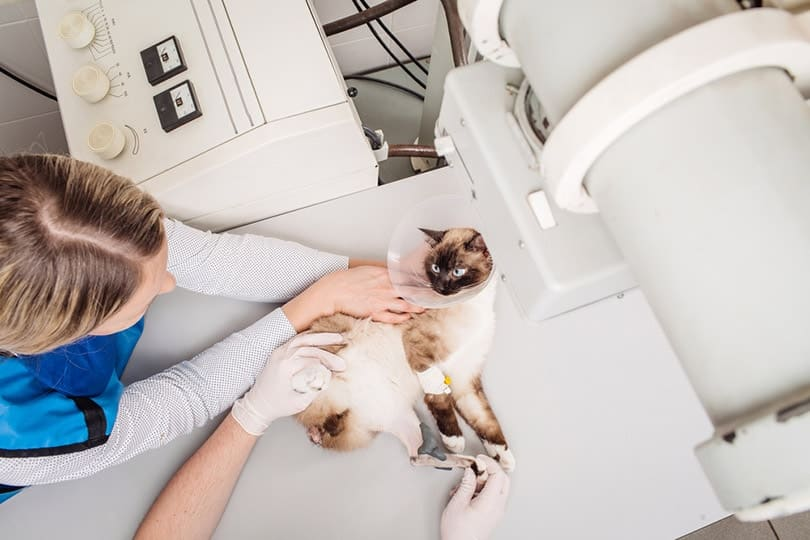
Common blood tests for pets provide crucial insights into their health status. Diagnostic imaging further enhances our understanding of underlying conditions through detailed visualizations of internal structures. X-rays, ultrasounds, MRIs, and CT scans are valuable tools in veterinary medicine, allowing veterinarians to evaluate bones, organs, and soft tissues non-invasively.
X-rays are commonly used to detect fractures, tumors, and foreign objects, while ultrasounds provide real-time images of internal organs like the heart and liver. MRIs and CT scans offer detailed cross-sectional views, aiding in the diagnosis of neurological disorders, spinal injuries, and complex abnormalities.
Benefits of Urine Analysis
When it comes to evaluating a pet’s health comprehensively, urine analysis emerges as a valuable diagnostic tool in veterinary practice. Urine analysis provides valuable insights into the functioning of the kidneys, liver, and other vital organs. It can detect issues such as urinary tract infections, diabetes, dehydration, and kidney disease.
Additionally, urine analysis can help monitor the effectiveness of treatment plans and track the progression of certain conditions over time. By analyzing the chemical composition and physical properties of urine, veterinarians can gain a deeper understanding of a pet’s overall health status.
This non-invasive and cost-effective diagnostic tool plays a crucial role in early disease detection and preventive care, ultimately contributing to better outcomes and improved quality of life for pets.
Understanding Biopsy Procedures
Biopsy procedures, a vital aspect of diagnostic evaluation in veterinary medicine, provide detailed insights into tissue abnormalities that complement the information obtained from urine analysis. By extracting a small sample of tissue for microscopic examination, biopsies aid in identifying the nature of masses, lesions, or other anomalies within a pet’s body.
There are various biopsy techniques, including fine needle aspiration, punch biopsy, and surgical biopsy, each offering specific advantages depending on the suspected condition. Biopsies are often recommended when initial tests indicate abnormalities or when further clarification is needed for an accurate diagnosis.
Understanding the results of a biopsy can guide veterinarians in formulating appropriate treatment plans tailored to the specific health needs of each pet.
Conclusion
In conclusion, pet diagnostics play a crucial role in identifying and treating various health conditions in animals. From blood tests to diagnostic imaging and urine analysis, these procedures provide valuable insights for veterinarians to make informed decisions about their patients’ health.
By understanding the importance of these diagnostic tools, pet owners can ensure the well-being of their beloved companions and address any potential health issues promptly.