
Professional pet grooming costs reflect pet size, coat type, services requested and local labor rates. Simple baths and nail trims for small dogs typically run lower than full haircuts for long‑coated or double‑coated breeds. Add‑ons like medicated baths pet grooming, de‑shedding, teeth care or behavioral handling increase fees. Medical issues, matting or sedation justify higher charges. Transparent, itemized estimates indicate fair pricing. Continue for practical ranges, saving tips and guidance on choosing an appropriate groomer.
How Grooming Services Are Priced
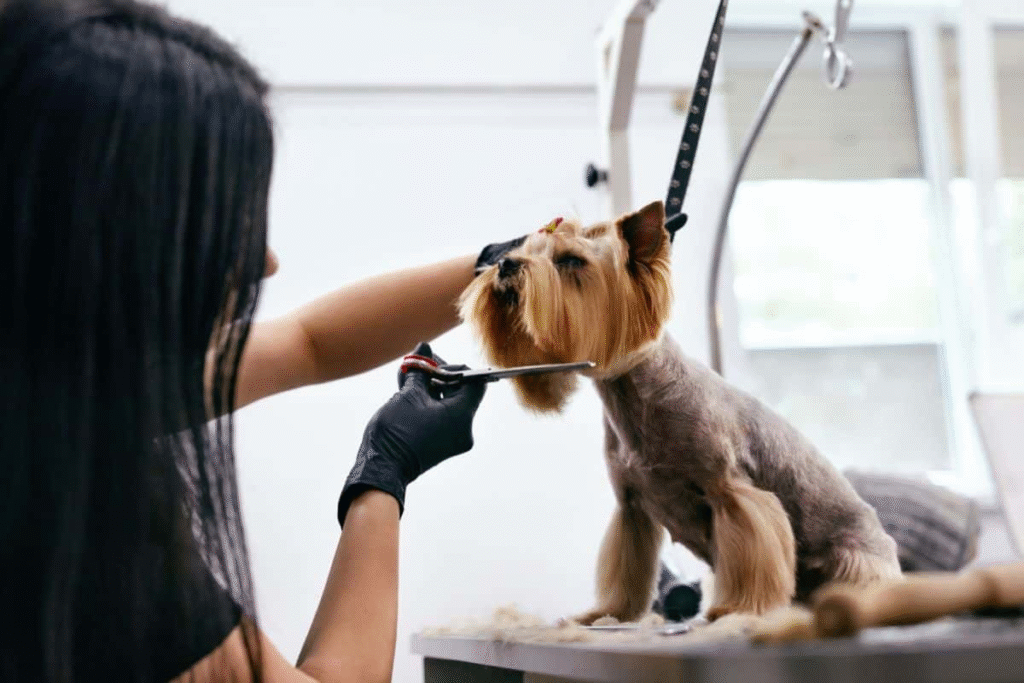
Grooming services are typically priced according to a combination of measurable factors: pet size and coat type, services requested (bath, haircut, nail trimming, ear cleaning), time required, and location-specific labor costs https://starlux.petuniverse.com/. Providers present transparent rate structures, note seasonal pricing variations, and offer loyalty discounts to encourage repeat business. Clear itemization and predictable policies empower owners to choose services that align with budget and freedom.
Key Factors That Affect Cost
Pet size and breed are primary determinants of grooming time and product needs, with larger or brachycephalic breeds often requiring more handling and specialized care. Coat condition and length directly influence services required—matted, long, or double coats typically necessitate extra de-shedding, detangling, and extended clipping. Together these factors produce measurable differences in labor and resource costs, which groomers use when estimating final prices.
Pet Size and Breed
Size and breed markedly influence grooming expenses because they determine time requirements, haircut complexity, and material needs. Breed standards and coat genetics inform required trims, specialty tools, and stylist expertise. Larger animals raise labor and product costs; brachycephalic or double-coated breeds demand experienced handling. Evidence-based pricing reflects predictable breed-driven resource needs, enabling owners to choose services that preserve autonomy and value.
Coat Condition and Length
Coat condition and length directly influence service time, product use, and technique selection, making them primary determinants of grooming cost. Longer or matted coats require de-matting, extended drying, and specialized tools; heavy seasonal shedding and undercoat maintenance increase labor and product needs. Groomers charge accordingly, reflecting time, expertise, and equipment; owners seeking freedom should plan routine care to reduce expense.
Typical Price Ranges by Pet Type and Size
Across common grooming services, price ranges vary predictably by animal type and body size: small dogs typically incur the lowest fees, medium and large dogs command progressively higher rates, and cats often fall in a mid-to-high range depending on temperament and required handling. Providers may offer senior discounts and adjust for seasonal pricing.
- Small dogs: basic bath, nail trim, minimal coat work.
- Medium/large: longer sessions, higher labor and equipment costs.
- Cats: variable handling fees, sedation risks, specialized carriers.
Common Add-Ons and Their Fees
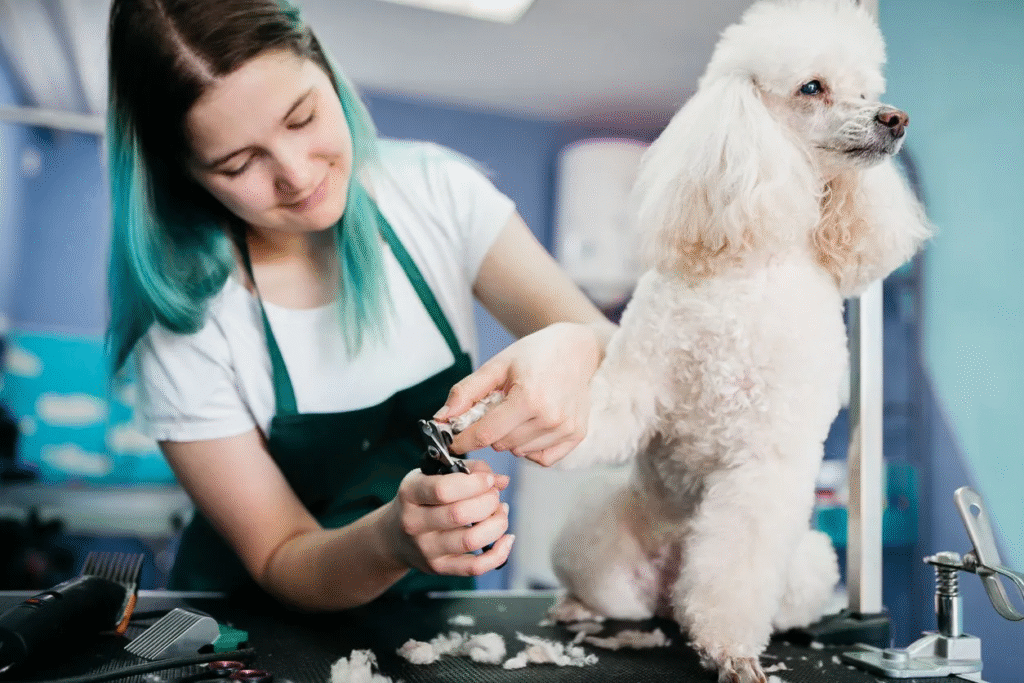
When selecting grooming services, owners commonly encounter a menu of add-ons—such as teeth brushing, de-shedding treatments, medicated baths, gland expression, specialty shampoos, and express drying—each priced separately based on time, materials, and required skill. Fees vary: breed specific trims and nail caps often cost more; medicated products add to charges; seasonal discounts may reduce overall expense. Itemized lists aid transparency.
Recognizing Fair vs. Excessive Charges
Evaluate charges by comparing itemized estimates to local averages and documented service standards; fair fees align with regional price ranges, transparent breakdowns, and clear explanations for specialty products or time-intensive procedures. The consumer should expect ethical upcharges and transparent pricing. Evidence-based scrutiny detects excessive fees, unclear surcharges, or unsupported add-ons.
- Request written estimates and receipts
- Compare multiple reputable providers
- Verify product and time justifications
Saving Money Without Sacrificing Care
Practical cost savings in pet grooming can be achieved by teaching owners basic DIY techniques for bathing, brushing, and nail care that are safe and effective when performed correctly. Strategic investment in durable, multipurpose tools and bulk consumables reduces per-session expenses without compromising hygiene or coat health. Scheduling choices—such as combining services, extending intervals based on breed needs, or booking weekday appointments—further lower costs while maintaining regular professional oversight.
DIY Grooming Basics
Many pet owners can reduce grooming costs by performing routine tasks at home—such as brushing, nail trims, ear cleaning, and basic bathing—while maintaining animal health and comfort. A pragmatic, evidence-based approach teaches safe home clipping and hygienic ear cleaning, fostering autonomy and reducing salon dependence.
- Follow veterinarian-approved techniques and frequency.
- Prioritize safety and gradual skill building.
- Monitor skin and behavior for complications.
Cost-Effective Supplies
How can owners cut grooming expenses without compromising care? Owners can invest in durable tools like bulk clippers and rotate disposable blades to maintain hygiene and sharpness. Purchasing quality brushes, low-irritant shampoos, and a basic first-aid kit yields long-term savings. Evidence supports preventive maintenance—regular brushing and targeted tool replacement reduce professional intervention and preserve pet wellbeing while maximizing owner autonomy.
Smart Scheduling Choices
Regularly spacing grooming sessions according to coat type, activity level, and season reduces overall costs by preventing matting, skin issues, and excessive trimming needs. The owner benefits from strategic appointment timing, peak avoidance, and off peak booking to access lower rates and reliable care. Multi pet discounts and brief at-home maintenance preserve freedom without compromising health.
- Schedule by coat and season
- Use off peak booking
- Combine pets for discounts
Special Considerations: Medical and Behavioral Needs
Accounting for medical and behavioral factors is essential when estimating pet grooming costs, because conditions such as skin disease, mobility limitations, anxiety, or aggressive tendencies often require additional time, specialized techniques, protective equipment, or veterinary consultation. Grooming fees rise with required medical handling, sedated procedures, or behavior modification plans. Clear assessment, documented care protocols, and trained staff justify higher charges while protecting animal welfare and owner autonomy.
Choosing the Right Groomer for Your Budget
When balancing quality and cost, owners should evaluate groomers by documented services, transparent pricing, and verifiable credentials. A pragmatic comparison of local groomers and mobile services highlights trade-offs in convenience, expertise, and overhead. Evidence-based choices preserve autonomy and budget without sacrificing welfare.
- Verify certifications, references, and sample work.
- Compare itemized price lists and policies.
- Confirm in-home safety and sanitation protocols.
Frequently Asked Questions
How Often Should I Bathe My Pet Between Professional Grooms?
They should bathe the pet every 2–6 weeks between professional grooms, adjusting for coat maintenance and skin sensitivity; owners monitor coat condition, odor, and irritation, choosing gentler products and consulting a groomer or vet as needed.
Can I Tip Groomers and What Amount Is Expected?
Yes; gratuity etiquette supports tipping groomers. Observers note service expectations typically warrant 10–20% for routine grooms, higher for exceptional care. Professional, evidence-based judgment and client freedom guide appropriate tip decisions.
Do Mobile Grooming Vans Cost More Than Salons?
Yes. They often cost more: mobile grooming typically charges a travel surcharge and markets higher convenience, on site styling, and premium service; prices vary by region, experience, and demand, reflecting added operational costs.
Are Grooming Tools Safe to Use on Puppies/Kittens?
Yes. He notes soft brushes and age-appropriate clippers are generally safe for puppies and kittens when used gently. Supervised training sessions desensitize animals, and evidence-based protocols plus patience minimize stress and injury risk.
Will Grooming Affect My Pet’s Shedding Long-Term?
Grooming can reduce loose fur temporarily but rarely changes long-term shedding; consistent care improves coat health and may lessen allergen accumulation. Seasonal allergies influence perceived shedding; evidence supports routine maintenance for freedom of movement and comfort.
Conclusion
Understanding grooming costs helps owners balance pet health and budgetary responsibility. Reasonable pricing reflects animal size, coat condition, service complexity and practitioner expertise, while add-ons and special medical or behavioral needs legitimately increase fees. Comparing quotes, verifying credentials, and prioritizing necessary treatments prevents overpaying without compromising care. Evidence-based decisions — informed by typical price ranges and transparent policies — enable choosing a groomer who delivers safe, appropriate services at a fair, sustainable price.